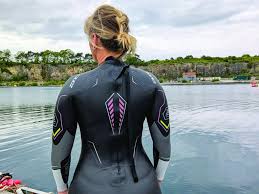

Water sports continue to attract people seeking adventure, fitness, and a deeper connection with nature. Whether it is surfing, diving, paddleboarding, kayaking, or open water swimming, comfort plays a major role in overall performance and enjoyment. Over the years, wetsuit technology has evolved significantly, and womens wetsuits have become a key example of how innovation can enhance the experience of spending time in the water.
Modern designs focus not only on protection from cold temperatures but also on flexibility, fit, and mobility. These advancements are helping women participate in water sports with greater confidence and comfort than ever before.
The Importance Of Proper Fit
One of the biggest factors influencing comfort in water sports is how well a wetsuit fits. Older wetsuit designs often relied on standard sizing that did not account for the variety of body shapes among female athletes and recreational users.
Today, manufacturers place significant emphasis on creating suits that better match natural body contours. Improved sizing options help reduce gaps, minimise water entry, and provide a more secure fit. A wetsuit that fits properly allows the wearer to move freely while maintaining the insulation needed to stay comfortable in varying water conditions.
The result is a more enjoyable experience that allows participants to focus on their activity rather than constantly adjusting equipment.
Enhanced Flexibility For Better Movement
A broad range of motion is necessary for water sports. Paddling through waves, swimming long distances, or maneuvering underwater all demand flexibility from both the athlete and the equipment they use.
Modern wetsuits are constructed with advanced materials that stretch more effectively than traditional neoprene. These flexible fabrics allow for natural movement while maintaining durability and thermal protection.
This increased flexibility reduces fatigue because the body does not need to work against stiff material. Athletes can perform movements more efficiently, leading to better endurance and overall performance during extended sessions in the water.
Improved Thermal Protection
Maintaining body temperature is essential during any water-based activity. Cold water exposure can quickly lead to discomfort and reduced performance.
Recent advancements in wetsuit technology have improved thermal efficiency without adding unnecessary bulk. Lightweight insulation materials help trap warmth while keeping the suit comfortable and easy to wear.
This balance allows participants to stay in the water longer while maintaining mobility. Whether enjoying a morning surf session or spending hours exploring underwater environments, effective thermal protection contributes significantly to overall comfort.
Lightweight Designs Make A Difference
Heavy equipment can limit performance and create unnecessary strain. Modern wetsuit construction focuses on reducing weight while maintaining strength and durability.
Lightweight materials help users move more naturally both in and out of the water. Carrying equipment becomes easier, and activities requiring quick transitions benefit from less restrictive gear.
For many participants, the reduction in overall suit weight creates a noticeable improvement in comfort throughout the day.
Comfort Beyond Performance
Comfort is not only about athletic performance. It also affects confidence and enjoyment. When individuals feel comfortable in their gear, they are more likely to try new activities, spend additional time practising skills, and explore different water environments. A well-designed wetsuit reduces distractions such as chafing, pressure points, or restricted movement.
This positive experience encourages greater participation in water sports and helps build long-term enthusiasm for outdoor activities.
Better Durability For Long-Term Use
Comfort extends beyond a single session. Modern wetsuits are designed to withstand repeated exposure to saltwater, sunlight, and frequent movement.
Reinforced seams, stronger materials, and improved construction techniques help maintain fit and performance over time. As a result, users can continue enjoying consistent comfort without worrying about rapid wear and tear.
Long-lasting equipment also provides better value, making water sports more accessible for individuals who participate regularly.
Supporting A Wide Range Of Activities
Today’s wetsuits are versatile enough to support numerous water sports. A single suit may be suitable for surfing, snorkelling, paddleboarding, kayaking, and recreational swimming.
This adaptability means participants do not need separate gear for every activity. Instead, they can rely on equipment designed to perform well across different environments and conditions.
Versatile designs provide convenience while ensuring comfort remains a priority regardless of the chosen activity.
Conclusion
The evolution of women’s wetsuits reflects a broader shift toward user-focused design in the water sports industry. Improved fit, enhanced flexibility, better thermal protection, lightweight construction, and greater durability have transformed the way people experience aquatic activities. As technology continues to advance, wetsuits will likely become even more comfortable and efficient. These innovations are helping women enjoy greater freedom of movement, increased confidence, and longer, more enjoyable experiences in the water. By prioritising comfort without sacrificing performance, modern wetsuits are redefining what is possible in water sports and encouraging more people to embrace active lifestyles on and beneath the water’s surface.