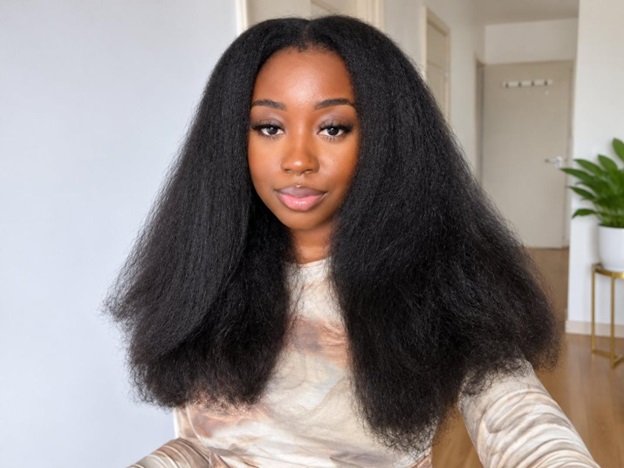

Finding hair extensions that genuinely blend with 4C natural hair can feel like a never-ending shopping challenge. You might find beautiful bundles online, only to discover that the texture looks too silky, the strands are too fine, or the finished hairstyle doesn’t resemble your natural hair at all. For women with tightly coiled textures, achieving a realistic blend often means looking beyond traditional straight extensions. Naturally, 4C hair has its own character, including dense coils, noticeable shrinkage, and impressive volume when stretched or blown out. Silky straight extensions can create a visible contrast, particularly when natural roots or leave-out sections are exposed. Kinky straight textures offer an alternative because they resemble the appearance of textured hair after a blowout. However, not every bundle delivers the same quality, fullness, or finish. Knowing how to evaluate texture, construction, length, and maintenance requirements can help you shop confidently and choose extensions that complement your natural hair instead of competing with it.
What Makes Kinky Straight Bundles Look Natural on 4C Hair?
Textured natural hair has a distinctive appearance, even when stretched into a straighter style. Its strands often retain subtle bends, fullness, and a soft, airy finish that differs from naturally silky hair. When shopping for the Best Kinky Straight Bundles, focus on extensions that resemble your hair in its stretched or blown-out state. A realistic match should have enough texture to complement your natural roots without appearing excessively coarse or artificially crimped.
One detail worth examining is strand appearance. Some textured extensions feature small, uniform waves that look almost identical throughout the bundle. Others have more natural-looking variation, creating movement similar to blown-out Afro-textured hair. Neither appearance is automatically better, but the second may provide a softer finish for certain hairstyles. Examine close-up product photographs and videos to understand how the strands behave when brushed, separated, or styled.
Density also influences how naturally extensions blend. Hair that appears extremely thick from roots to ends can overwhelm a lighter leave-out section, while overly thin bundles may not provide sufficient volume. The goal is to find a balanced texture and fullness that complement your actual hair density. Two people with 4C hair can have very different strand thicknesses and overall volume, so matching the curl classification alone is rarely enough.
Consider your preferred finished hairstyle as well. If you typically wear your hair in a fluffy blowout, choose extensions with visible body. If you prefer a smoother silk-press-inspired finish, a slightly more refined texture may blend better. Matching the hairstyle you regularly wear is often more useful than shopping by texture labels alone.
How to Identify High-Quality Kinky Straight Bundles Before Buying
Beautiful product photographs are helpful, but they cannot tell you everything about hair quality. Start by examining the hair composition. Human hair extensions generally offer more flexibility for washing, conditioning, and heat styling than synthetic alternatives, although performance varies depending on processing and construction. Ask whether the bundles contain 100% human hair, whether the texture has been mechanically or chemically processed, and what styling limitations the supplier recommends. Terms such as raw, virgin, and premium should be supported by clear product information rather than accepted as guarantees.
For women who enjoy switching between protective hairstyles and wearing their natural hair loose, installation flexibility matters too. Traditional weft bundles work well for sew-ins and customized wigs, while removable extensions may better suit occasional styling. Shoppers interested in temporary volume can explore the Best Kinky Straight Hair Clip Ins as an alternative. The right choice depends on how frequently you change hairstyles, how much leave-out you want, and whether you prefer a professional installation or a removable option.
Next, inspect the weft construction. Well-constructed wefts should have secure stitching, consistent hair distribution, and minimal loose strands. Poorly finished wefts may contribute to unnecessary shedding, particularly after repeated washing or brushing. Some shedding is normal with human hair extensions, but excessive hair loss during gentle detangling may indicate construction problems or compromised strands.
Tangling deserves equal attention. Textured extensions naturally have more friction between strands than sleek, straight hair, but quality hair should still be manageable with appropriate conditioning and detangling techniques. Look for independent customer reviews discussing performance after several washes rather than relying exclusively on first-day installation photographs.
Pay attention to reviews mentioning matting, dryness, unusual odors, inconsistent lengths, or significant changes in texture. Customer videos showing the hair after weeks of wear can be especially informative. Finally, review the seller’s return policy, bundle weight, hair length measurements, and care instructions. A trustworthy shopping decision depends on realistic expectations, not simply an impressive product description.
Kinky Straight vs. Yaki Straight: Which Texture Blends Better?
Although kinky straight and yaki straight extensions are sometimes grouped together, they can produce noticeably different finishes. Kinky straight hair generally has a fuller, more textured appearance that resembles natural Afro-textured hair after stretching or blow-drying. Yaki straight hair commonly imitates chemically relaxed or pressed hair, with a smoother surface and a subtler textured finish. However, these terms are not standardized across brands, so always compare actual product photographs before purchasing.
For someone wearing a voluminous 4C blowout, kinky straight extensions may offer a closer visual match. Their additional body can make the transition between natural roots and extensions less noticeable. This is particularly helpful for sew-ins with leave-out, where achieving a consistent appearance is essential.
Yaki straight extensions may be preferable when natural hair has been stretched further into a smooth, pressed style. They can provide a polished result without the glass-like shine associated with some silky straight products. Fine-stranded natural hair may also blend more comfortably with certain yaki textures than with exceptionally dense kinky straight wefts.
Neither option is universally superior. Think about how your own hair looks after styling, how much heat you are comfortable using, and whether you want a fluffy or sleek result. Comparing small samples or detailed videos under natural lighting can help you make a more informed decision.
If your goal is a low-manipulation hairstyle, prioritize the extension texture that requires the least adjustment to your natural hair. A close match should reduce the temptation to repeatedly straighten, brush, or restyle your leave-out simply to make everything look uniform.
How to Choose the Right Length, Density, and Number of Bundles
Length plays a major role in how natural your final hairstyle appears. Shorter and medium-length extensions often create a fuller, more believable blowout because the ends remain closer to the density of your natural hair. Longer bundles can look equally beautiful, but they may require additional hair to achieve balanced fullness from top to bottom.
For an everyday style, lengths around 12 to 18 inches can be a practical starting point. They offer styling flexibility without necessarily creating an overly dramatic finish. Lengths between 20 and 24 inches are suitable for shoppers who prefer longer hairstyles, although the added length may increase detangling and maintenance requirements. Remember that textured hair can appear shorter than its measured length because of bends and volume.
Bundle quantity depends on installation method, head size, individual bundle weight, and desired fullness. As a general guide, two bundles may be sufficient for some shorter, lightweight sew-ins, while three bundles are commonly considered for medium-length styles. Longer or particularly voluminous installations may require three to four bundles or more. These are starting estimates rather than universal rules, so confirm the actual weight and coverage of each bundle before ordering.
For a natural-looking result, avoid choosing maximum density automatically. Extremely full installations can create unnecessary bulk, especially around the crown. A hairstylist can help distribute the wefts strategically to provide volume without making the finished hairstyle look heavy.
Also consider your installation technique. A traditional sew-in may require different coverage than a closure wig or partial installation. Closure-based styles can reduce the need for exposed natural hair, while leave-out installations require closer attention to texture matching. Choose the method that works with your lifestyle, styling experience, and hair-care priorities.
How to Maintain a Natural Blend Without Excessive Heat
Keeping textured extensions looking natural requires consistent maintenance rather than daily heat styling. One of the biggest challenges is managing leave-out hair, especially when humidity causes natural coils to shrink while the installed extensions maintain their stretched appearance. Instead of repeatedly reaching for a flat iron, consider heatless stretching methods such as banding, loose braids, twists, or wrapping the hair overnight.
When heat styling is necessary, apply a suitable heat protectant and use the lowest effective temperature for your hair. Avoid repeatedly passing heated tools over the same sections, particularly around the hairline and crown. Excessive heat can weaken natural strands and contribute to irreversible changes in curl pattern.
Humidity management begins with proper moisture balance. Use a lightweight leave-in conditioner on your natural hair and avoid applying excessive heavy products near the roots. Depending on the extension’s construction and manufacturer instructions, a small amount of lightweight serum may help control frizz without making the hair appear greasy or stiff.
Wash your extensions according to their care instructions and your scalp’s needs. Gently detangle from the ends upward before washing, using your fingers or a suitable wide-tooth comb. Cleanse without aggressively rubbing the strands together, then condition thoroughly and rinse away product buildup. Allow the hair and installation base to dry completely to reduce the risk of persistent moisture around braids or wefts.
Protecting the natural hair underneath is equally important. Sew-ins should not feel painfully tight or place excessive tension on the edges. Keep the scalp accessible for cleansing and pay attention to itching, soreness, or unusual shedding. Protective styling should support healthy hair practices rather than replace them.
At night, use a satin bonnet or scarf to reduce friction and help maintain your hairstyle. Loose braids or twists can preserve volume and limit tangling. For removable extensions, gentle detangling and proper storage between uses can help maintain their appearance.
Ultimately, the most convincing blend comes from understanding your own hair rather than following a single styling formula. By choosing a compatible texture, checking product quality, selecting realistic fullness, and maintaining both your extensions and natural strands, you can enjoy a beautiful blowout-inspired hairstyle that feels comfortable, looks authentic, and fits your everyday routine.